Understanding Belly Fat: The Science behind Stubborn Weight Gain
Belly fat, also known as visceral fat, is a common concern for many individuals trying to shed those extra pounds. It not only affects our physical appearance but can also pose serious health risks. Understanding the science behind stubborn weight gain is crucial to effectively combat belly fat and achieve a healthier body.
The Types of Fat in our Bodies
Before delving into belly fat specifically, it's important to understand the different types of fat found in our bodies. There are two main types:
- Subcutaneous Fat: This is the fat stored directly under our skin, typically found in areas like the hips and thighs. Subcutaneous fat, while not entirely harmless, is easier to lose compared to the second type.
- Visceral Fat: This is the fat stored deep within our abdominal cavity, enveloping vital organs such as the liver, pancreas, and intestines. Visceral fat is considered more dangerous as it can increase the risk of various health issues, including heart disease, type 2 diabetes, and certain types of cancer.
The Role of Hormones
One of the primary reasons belly fat is considered stubborn is due to the role hormones play in its accumulation. Two important hormones that influence fat storage are:
- Insulin: Produced by the pancreas, insulin plays a key role in regulating blood sugar levels. When we consume a diet high in refined carbohydrates and added sugars, our body responds by releasing insulin. Over time, this can lead to insulin resistance, causing excess fat to be stored in the abdominal area.
- Cortisol: Known as the stress hormone, cortisol is released by our adrenal glands in response to stress. Chronic stress can result in increased cortisol levels, which, in turn, promotes the accumulation of visceral fat.
The Importance of Lifestyle Factors
While hormones may play a significant role, lifestyle factors cannot be overlooked when addressing belly fat. Several key factors influence the accumulation and retention of stubborn abdominal fat:
- Diet: Consuming a diet high in processed foods, sugary beverages, and unhealthy fats contributes to the development of excess belly fat. On the other hand, a balanced diet rich in whole foods, lean proteins, and healthy fats can help reduce visceral fat.
- Physical Activity: Leading a sedentary lifestyle is closely linked to increased belly fat. Regular exercise, particularly aerobic activities and strength training, not only helps burn calories but also reduces visceral fat levels.
- Sleep Quality: Poor sleep quality and duration have been associated with higher levels of abdominal fat. Adequate sleep, typically around 7-8 hours per night, plays a crucial role in weight management.
Conclusion
Belly fat can be stubborn, but understanding the science behind its accumulation is essential in taking the necessary steps to combat it. By managing hormonal imbalances, adopting a healthy diet, engaging in regular physical activity, and focusing on getting quality sleep, individuals can effectively reduce belly fat and improve their overall well-being.
The Proven Diet Plan: A Step-by-Step Guide to Shedding Extra Pounds
In our quest to achieve a healthy body and shed those extra pounds, finding the right diet plan is crucial. With countless options available, it's challenging to decide which one will bring the desired results. However, we have done the research for you! Presenting a proven diet plan that will help you blast away stubborn belly fat and achieve your weight loss goals.
Step 1: Set Realistic Goals
Before diving into any diet plan, it is crucial to set realistic goals. Understand your current weight, body composition, and overall health. Consult with a healthcare professional or a registered dietitian to determine a healthy weight loss target that aligns with your unique body and lifestyle.
Step 2: Calculate Caloric Needs
Knowing the number of calories your body needs on a daily basis is essential for weight loss. Use an online calculator or consult a professional to determine your Total Daily Energy Expenditure (TDEE) based on factors like age, gender, weight, height, and activity level.
Step 3: Create a Calorie Deficit
To lose weight, it's crucial to create a calorie deficit by consuming fewer calories than your TDEE. Aim for a moderate calorie deficit, usually between 500-1000 calories per day, to promote steady and sustainable weight loss.
Step 4: Opt for Nutrient-Dense Foods
The key to successful weight loss lies in nourishing your body with nutrient-dense foods. Fill your plate with fruits, vegetables, whole grains, lean proteins, and healthy fats. These choices will keep you feeling full, provide essential vitamins and minerals, and help prevent cravings for unhealthy foods.
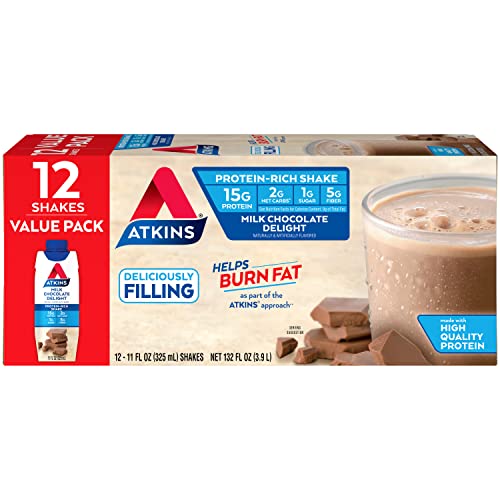
Atkins Milk Chocolate Protein Shake, Keto-Friendly (12 Pack)
A convenient and tasty 12-pack of keto-friendly Atkins Milk Chocolate Protein Shake, perfect for supporting fat loss goals
Product information
$24.99 $17.18
Product Review Score
4.37 out of 5 stars
60 reviewsProduct links
Step 5: Control Portion Sizes
Monitoring portion sizes is vital for maintaining a calorie deficit. Use measuring cups, a food scale, or visual references to ensure you stay within your calorie goals. This practice will help you become more aware of your food intake and avoid mindless overeating.
Step 6: Stay Hydrated
Drinking an adequate amount of water is crucial for overall health and successful weight loss. Aim for at least 8 glasses of water per day. Hydration can help curb unnecessary snacking, boost metabolism, and keep you feeling energized throughout the day.
Step 7: Plan Meals and Snacks
Taking the time to plan your meals and snacks in advance can prevent impulsive food choices. Make a weekly meal plan, including balanced meals that align with your calorie and nutrient needs. Prepare fresh fruits, cut vegetables, or healthy snacks to have on hand when hunger strikes.
Step 8: Embrace Regular Physical Activity
Achieving sustainable weight loss requires more than just diet changes. Regular physical activity is vital for burning extra calories, boosting metabolism, and building lean muscle mass. Incorporate a variety of exercises into your routine, such as cardiovascular activities, strength training, and flexibility exercises.
Step 9: Get Adequate Sleep
Sleep plays a significant role in maintaining a healthy weight. Aim to get 7-9 hours of quality sleep each night. Sufficient rest supports your overall well-being, reduces stress levels, and helps prevent overeating caused by fatigue or lack of sleep.
Step 10: Monitor Progress and Stay Motivated
Keep track of your progress by regularly weighing yourself and taking measurements. Celebrate every milestone achieved, whether it's a reduction in weight or an increase in energy levels. Surround yourself with a support system to stay motivated and share your journey with others.
Following this proven diet plan is a step in the right direction. Remember, weight loss is a journey that requires commitment and patience. By making sustainable lifestyle changes and adopting healthy habits, you will be well on your way to shedding those extra pounds and achieving your desired body composition and overall well-being.
Maximizing Success: Tips and Tricks to Blast Away Stubborn Belly Fat
When it comes to shedding those extra pounds and getting rid of stubborn belly fat, following a proven diet is essential. But in order to maximize your success, there are some additional tips and tricks that can help accelerate your progress. Here are some effective strategies to help you blast away that stubborn belly fat:
Eat Plenty of Protein
One of the most important factors in any weight loss journey is ensuring you're getting enough protein in your diet. Protein has been shown to increase feelings of fullness, boost metabolism, and help retain muscle mass. Make sure to include lean sources of protein such as chicken, fish, tofu, and legumes in your meals to aid in blasting away that belly fat.
Emphasize Whole Foods
Instead of relying on processed or packaged foods, focus on incorporating whole foods into your diet. Fruits, vegetables, whole grains, and lean proteins should be the foundation of your meals. These foods provide essential nutrients, fiber, and antioxidants that promote fat loss and overall health.
Stay Hydrated
Drinking enough water throughout the day is crucial for weight loss and overall well-being. Water helps with digestion, curbs hunger, and aids in the burning of calories. Aim to drink at least 8 glasses of water per day and replace sugary beverages with water whenever possible.
Get Moving
In addition to following a healthy diet, regular physical activity is key to shedding belly fat. Aim for at least 150 minutes of moderate-intensity aerobic exercise or 75 minutes of vigorous-intensity exercise per week. Incorporate activities like brisk walking, jogging, cycling, or dancing to keep your body active and burn those extra calories.
Manage Stress Levels
High stress levels can contribute to weight gain, especially around the midsection. Find healthy ways to manage stress such as practicing yoga, meditation, deep breathing exercises, or engaging in hobbies that you enjoy. Taking care of your mental well-being is just as important as taking care of your physical health.
Get Quality Sleep
Adequate sleep is crucial for maintaining a healthy weight. Lack of sleep can disrupt hormones related to hunger and satiety, leading to increased cravings and overeating. Aim for 7-8 hours of quality sleep each night to support your weight loss goals.
By implementing these tips and tricks in addition to following a proven diet, you'll be well on your way to blasting away stubborn belly fat and achieving your weight loss goals. Remember to stay consistent, be patient, and celebrate your progress along the way. Good luck!
